
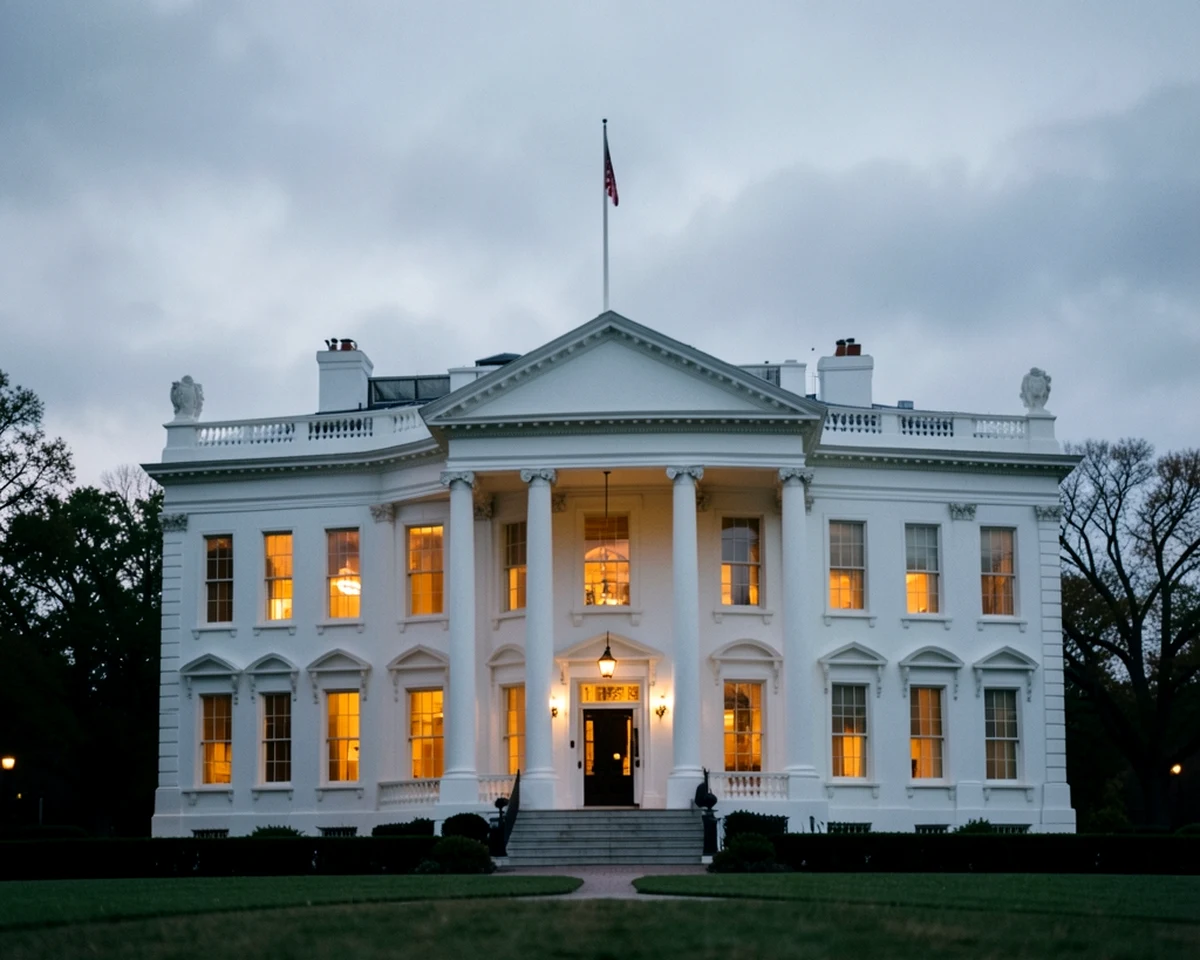
WASHINGTON — Senior officials inside the Trump administration are questioning why they were not alerted sooner to a controlled chemical detonation at a U.S. Army munitions plant in Middletown, Iowa, that sparked local contamination fears, according to sources familiar with the matter.
On Wednesday, the Army detonated roughly 5 tons of degraded lead azide at the facility. While President Donald Trump praised the operation on Truth Social about five hours after the blast—writing that the Army and others did a great job—and administration officials said the mitigation effort exceeded expectations, internal conversations reflected frustration over how the crisis unfolded.
Communication Gaps Inside the Pentagon
According to several U.S. Officials, the Army had known since spring that the stored lead azide posed risks to the public and the environment. However, then-Army Secretary Dan Driscoll, who resigned in September amid tensions with Defense Secretary Pete Hegseth, reportedly failed to elevate the issue to Hegseth or other senior administration leaders.
A separate source indicated that the Army notified Hegseth's office early on, though other officials said the warning never reached Hegseth directly. Acting Army Secretary Adam Telle learned of the chemical risks in September but did not brief superiors, sources said, prompting discussions about quietly moving him out of the acting role in the coming weeks.
Local Backlash and Leadership Surprise
Top administration leaders were reportedly caught off guard when they learned the full scope of the issue while flying home from China. Meanwhile, Iowa residents complained that they had not received adequate notice about potential hazards before the blast drew national attention.