
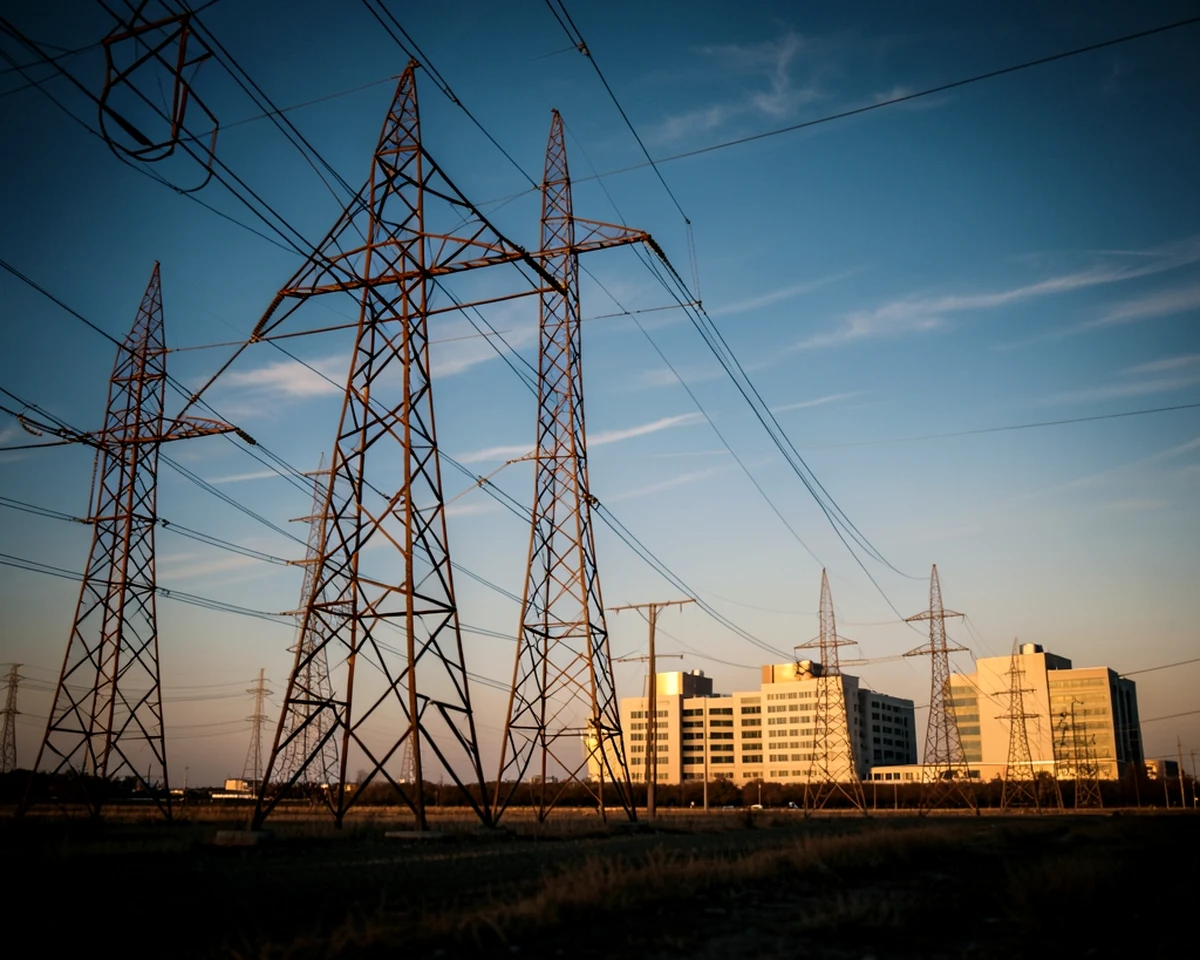
WASHINGTON — The United States is building only a fraction of the high-voltage transmission lines required to keep pace with rapidly rising electricity consumption, according to a new policy analysis published in the journal Science. Researchers from Carnegie Mellon University and the University of California San Diego warn that the widening transmission deficit threatens grid reliability, energy affordability, and broader U.S. Economic competitiveness.
A 90 percent shortfall in annual grid construction
Over the past five years, the continental United States has added roughly 500 miles of high-voltage transmission lines per year, according to the paper titled Fixing the power transmission crisis. That pace represents just 10 percent of the 5,000 miles per year the authors say are necessary to triple interregional grid capacity by 2050.
The gap is growing more urgent as electricity demand accelerates across artificial intelligence data centers, industrial operations, and wider electrification. Although stronger interregional connections are proven to lower utility bills and reduce blackout risks, expansion has largely stalled.
Fragmented permitting creates a regulatory bottleneck
Authors Madeline Yozwiak and M. Granger Morgan of Carnegie Mellon, alongside David G. Victor of UC San Diego's School of Global Policy and Strategy, argue that the primary obstacle is not engineering or capital. Instead, they point to fragmented local and state regulatory frameworks that stall cross-border projects.
"As it stands, we have a system with lots of veto points and weak incentives to build the projects that deliver the greatest value across regions," Victor said.
Without streamlined permitting and stronger regional coordination, the researchers warn that America's power grid will struggle to support future economic growth.