
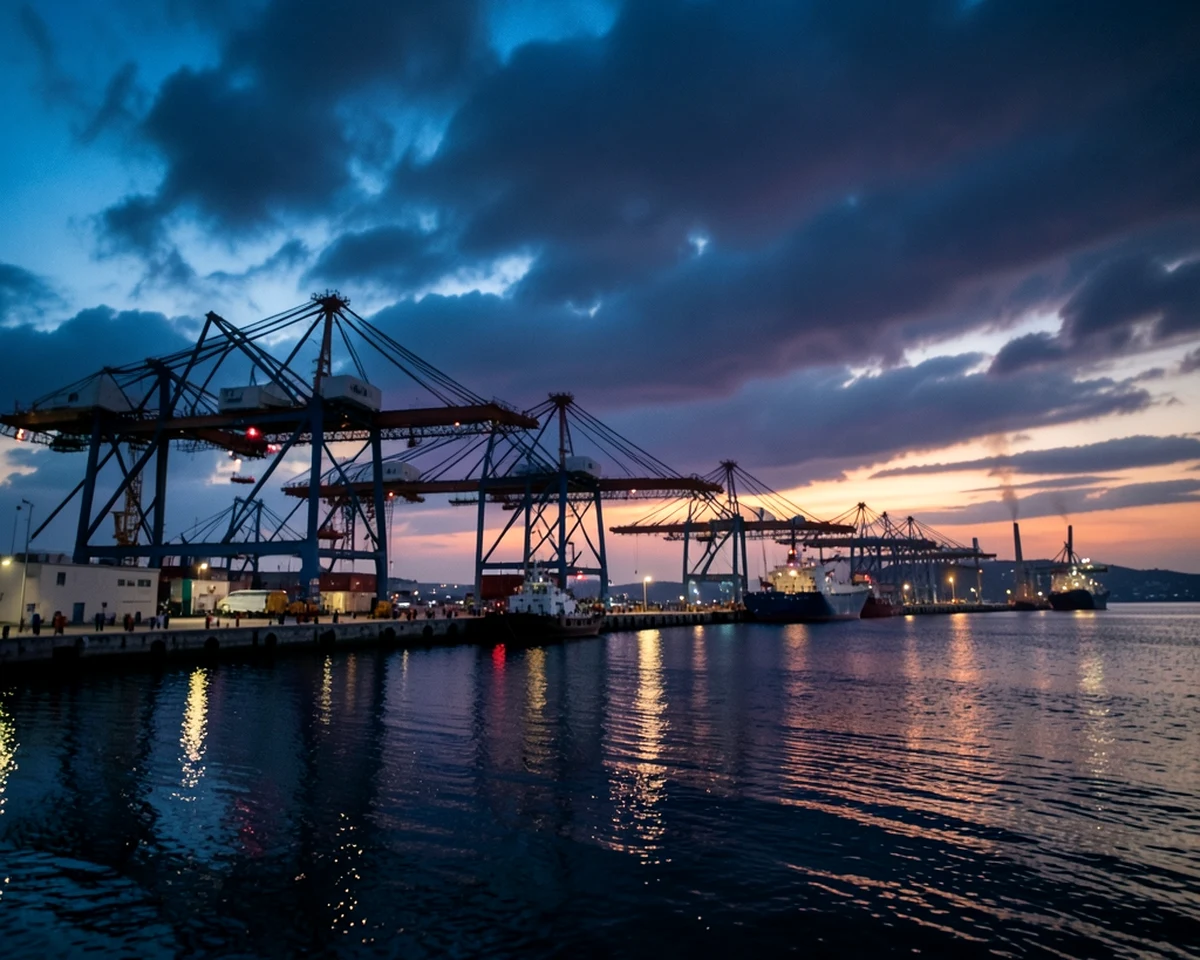
TRIPOLI — A Ukrainian sea drone strike that sank the Russian corvette Merkury in Benghazi's port on November 22 is threatening to unravel the fragile peace holding divided Libya together. The escalation comes at a critical moment for Tripoli, which is pitching foreign energy firms at a summit for $20 billion in investment aimed at lifting national oil output to 2 million barrels per day.
Retaliation Vows and Diplomatic Shifts
Two officers from eastern commander Khalifa Haftar's Libyan National Army (LNA) died of their wounds on November 24, prompting the force to vow retaliation at a time and place of its choosing. The Merkury had docked in the civilian section of Benghazi's port to refuel under a cooperation deal between Moscow and Haftar's administration. Ukrainian drones were most likely launched from Misrata, a western hub where Prime Minister Abdulhamid Dbeibah's Tripoli government hosts Ukrainian drone teams and Turkish troops.
On the same day the officers died, Haftar made his first known visit to Turkey. On November 25, the eastern parliament published the Turkey-Libya maritime agreement in the official gazette, opening eastern waters to Turkish exploration—a pact EU Mediterranean Commissioner Dubravka Šuica told the European Parliament was "null and void."
Business Ties and Escalation Risks
Russia lacks its own southern Mediterranean port and has funded infrastructure at Haftar-controlled air bases such as al-Jufra and al-Khadim. Any Russian strike on western Libya from those facilities would directly implicate Haftar's camp and jeopardize a UN-documented business partnership between the rival leaders' heirs, Ibrahim Dbeibah and Saddam Haftar, raising the risk of renewed civil conflict.